
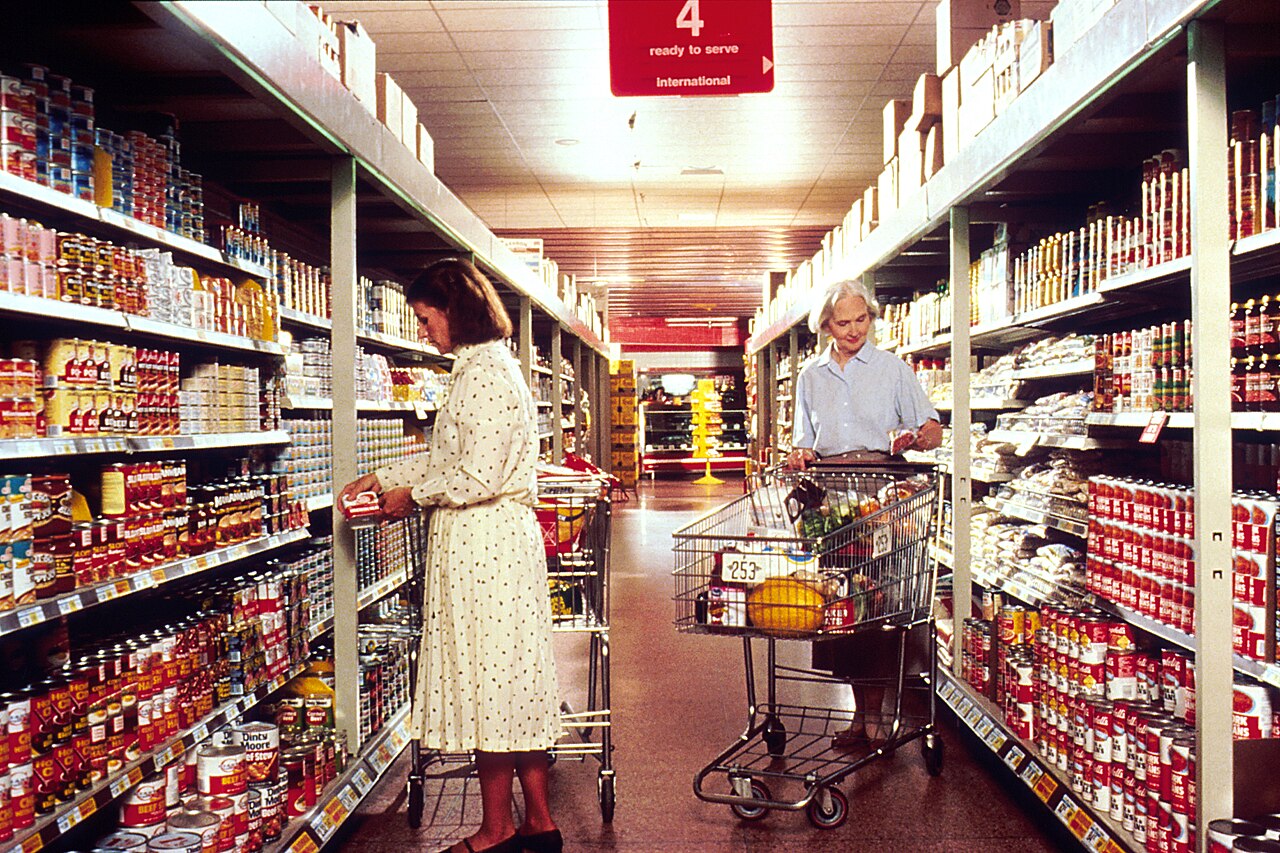
There’s a particular kind of tired that comes from working hard and still falling behind. You picked up the extra shift. You got the raise you fought for. And somehow the cart at the till costs more than the raise was worth, and the rent ate the rest. It can start to feel like you’re doing something wrong, like everyone else figured out a trick you missed.
You didn’t miss a trick. The feeling of running just to stand still is not in your head, and it isn’t because you don’t work hard enough. For a long time now, the deal where working harder and smarter meant a bigger share for workers has quietly come apart. Once you see where the money actually went, the target for your frustration changes, and it isn’t the person who started at your workplace last month.
You got more productive. Your pay didn’t keep up
The core of it is a gap. Canadian workers kept getting more productive, producing more value per hour, but the typical paycheque stopped tracking that gain. Economists call it the decoupling of wages from productivity, and Canada has lived it for decades.
You could even see it sharpen during the pandemic. Statistics Canada found that by the second quarter of 2022, total compensation per hour worked, measured against what firms actually received for their output, was 7.1% lower than in early 2019, while labour productivity had barely moved (Statistics Canada).
The economy kept getting richer per hour worked. The hours you worked stopped getting their share.
A bigger slice went to profit
So where did the slice go? In the inflation years, a striking amount of it went to corporate margins. Statistics Canada’s own analysis found average pre-tax profit margins rose from about 6.6% before the pandemic (2017–2019) to 8.5% in the 2021–2022 recovery (Statistics Canada).
To be fair and accurate: StatCan notes much of that surge was concentrated in energy and resources riding high commodity prices, not every business gouging at once. But the direction is clear. When prices were climbing fastest and you were tightening your budget, a meaningful share of those higher prices wasn’t covering higher costs. It was widening profit.
You lost leverage, slowly
Pay isn’t just set by markets in the abstract. It’s set by bargaining power: your ability, individually or together, to ask for more and get it. And that power has been steadily drained.
The share of Canadian employees who are union members fell from about 38% in 1981 to 29% in 2022, with the steepest losses in the private sector (Statistics Canada). Fewer workers bargaining collectively means weaker raises across the board, not just for union members. Unionized workplaces tend to pull up standards around them. As that backbone thinned, the balance tilted toward whoever signs the cheques.
None of this is the fault of any single boss or any single worker. It’s the slow result of policy choices and decades of decisions about how the labour market should work.
Where immigration honestly fits
Here’s the honest part, because it matters. When a lot of newcomers arrive into specific lower-wage sectors quickly, there can be localized, short-run pressure on wages in those exact jobs. Pretending the effect is exactly zero would be dishonest. The newcomers themselves often feel it most sharply. The median entry wage for new immigrants actually fell 10.6% in 2023, the largest drop since 1991, even as the overall median wage rose (Statistics Canada).
But keep it in proportion against the big picture. The Bank of Canada credits strong immigration with adding 2 to 3% to the economy’s potential output and easing the labour shortages that were holding businesses back, because newcomers add to demand and spending as well as to the supply of workers (Bank of Canada). The decades-long productivity-pay gap, the slide in bargaining power, the widening of margins: those were already there long before recent arrivals, and they squeeze the newcomer working beside you just as hard.
What could change
Follow your missing dollars and the trail doesn’t end at the new hire on the line. It ends at a long, deliberate rebalancing of who captures the value that work creates.
That can be rebalanced again, by policies that make it easier to organize and bargain, by competition that keeps margins honest, and by tying the gains of a more productive economy back to the people producing them. The anger is earned. It just deserves a better-aimed home than the person clocking in next to you.